EV Charger Installation for Older Thornhill Homes
Older Thornhill homes can absolutely run an EV charger. The honest work is checking a small panel, accounting for past renovations, and choosing between an upgrade and load management.
Published
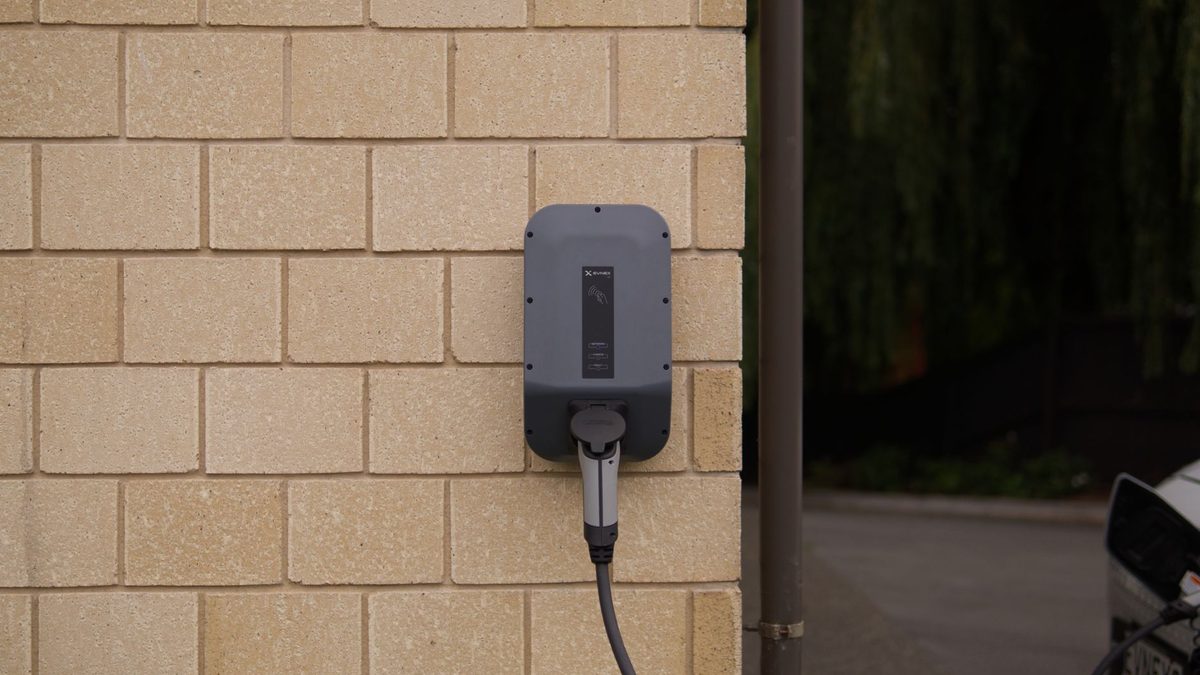
Thornhill has a deep stock of older homes, original village houses, mid-century bungalows, and infill rebuilds on long-established lots. Owners of these homes often assume an EV charger means a big electrical project. Usually it does not. Thornhill EV Charger Pros installs chargers in older Thornhill homes all the time, and the job is mostly about an honest panel assessment rather than ripping anything out. Here is what actually matters when the house has some age on it.
Small panels and limited capacity
The defining feature of an older home is often a 100-amp service, sometimes less. An EV charger is a large continuous load, so the first question is whether the panel has room for it. The good news is that many do, especially gas-heated homes with a gas range, which leave more headroom than an all-electric house. A load calculation, run by an ESA-licensed electrical contractor, turns that question from a guess into a clear yes or no.
Why renovation history matters
Older homes are rarely original throughout. A finished basement, an addition, a rebuilt kitchen, a hot tub on the deck, each may have added load to a panel that started life sized for far less. We never read capacity off the build year alone. A heavily renovated home can sit closer to its limit than an untouched one, so the load calculation reflects what is connected today, not what the house looked like decades ago.
Garage and driveway layouts in older homes
Older Thornhill lots come in many shapes. Common situations:
- Detached garage set back from the house, needing a routed or trenched feed
- A basement panel far from a front driveway, a longer run
- A narrow side drive where the charger mounts on an exterior wall
- An attached garage on a newer infill, the simplest case
The layout shapes the labour and the cost, which is why we want a photo of where you park before quoting.
When load management is the smart move
For older homes, this is frequently the answer that avoids a big bill. A smart charger with load management watches the home's draw and throttles the charger when other big loads run, then charges fully overnight when the house is quiet. Because it never adds to a peak, it can share a small 100-amp service safely. A plug-in 240-volt outlet feeding a managed unit is sometimes part of that tidy solution. For many older Thornhill homes this is the difference between a modest add-on and a full service upgrade.
When an upgrade is genuinely needed
Sometimes the panel is full, with no spare breaker spaces, or an all-electric older home is truly maxed out. In those cases a panel upgrade to 200 amps is the right lasting fix, and it sets the home up for a second EV or a heat pump later. There may be coordination with Alectra for the service change. We will be straight about which situation your home is in rather than defaulting to the bigger job.
Doing it once, properly
Older-home installs reward care. A Level 2 charger sized correctly for the panel, wired to code, permitted, and ESA inspected will run reliably for years. Cutting corners on wire sizing or skipping the permit to save a little is exactly the shortcut that causes regret later, and it can complicate insurance and resale.
Signs your older panel may be tight
You do not need to be an electrician to spot the warning signs before booking an assessment. A few things suggest the service may be near its limit:
- A 100-amp main breaker, common across older Thornhill homes
- No spare breaker slots, or tandem breakers already used to squeeze in more circuits
- All-electric heating, range, and dryer running together
- Breakers that trip when several large appliances run at once
None of these rules out a charger on its own, but they make the load calculation more important. The calculation is what turns guesswork into a clear answer, and it is exactly why we never quote an older home from the year built alone.
What to send before requesting a quote
- A clear photo of your panel with the door open
- Whether your heat, range, water heater, and dryer are gas or electric
- Any past renovations or added loads, like a hot tub or finished basement
- A photo of where you park and the rough distance to the panel
Got an older Thornhill home and wondering if it can charge an EV? Send your photos to EV charger installers in Thornhill through the quote form and we will run the load calculation and give you an honest plan, upgrade or no upgrade.
Frequently asked
Can an older Thornhill home support an EV charger?+
Usually yes. Many older homes on a 100-amp service can add a charger once a load calculation confirms the headroom, especially gas-heated homes with a gas range. Where the panel is tight, load management or an upgrade keeps the install safe.
Does my home's age mean I need a panel upgrade?+
Not on its own. Age often means a 100-amp panel, but plenty of those have room for a charger. A load calculation, not the build year, decides whether an upgrade is needed. Renovations and added loads matter more than age alone.
How does renovation history affect the install?+
Additions, finished basements, and loads like a hot tub raise the demand on a panel that may have been sized for much less. We account for what is actually connected today through a fresh load calculation rather than assuming from when the house was built.
Is load management a real alternative to upgrading?+
Yes, and for older homes it is often the smart choice. A load-managing smart charger throttles itself when the home's draw is high and charges fully overnight, so it can share a 100-amp service safely without a costly panel upgrade.
Will an older-home charger pass ESA inspection?+
Yes, when it is done properly. The charger is sized for the panel, wired to the Ontario Electrical Safety Code, permitted, and inspected by ESA. A passed inspection protects you for insurance and at resale, which is why we never skip it.