Panel Upgrade for EV Charger Installation in Thornhill
Plenty of older Thornhill homes can add an EV charger without a panel upgrade. A load calculation is what settles it, and load management often makes a 100-amp service work safely.
Published
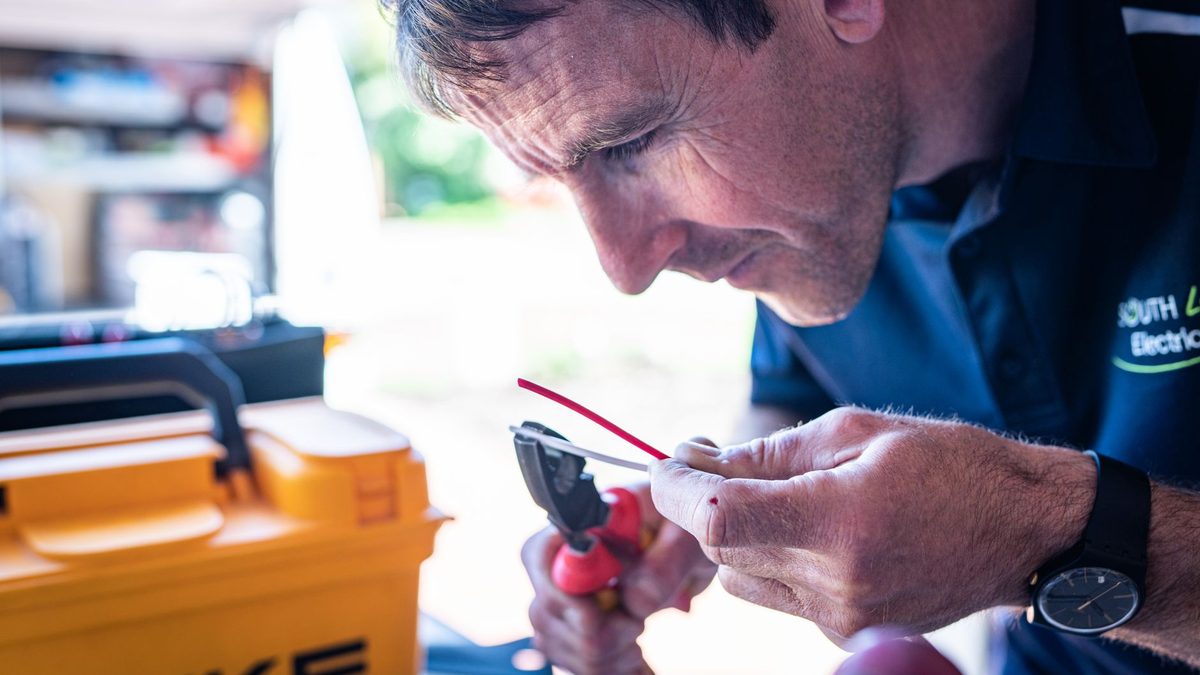
In an area with as many older and renovated homes as Thornhill, the panel question decides the budget. Does your house need a service upgrade to charge an EV, or can the existing panel handle it? The honest answer for many homes here is that no upgrade is needed once the numbers are checked. Thornhill EV Charger Pros runs a load calculation on every job, and an older 100-amp service often has more room than owners expect. This guide explains how that call is made and what your options are if the panel is genuinely tight.
What the load calculation tallies in a Thornhill home
The whole question turns on one sum: everything in the house that pulls real power, set against what your service is rated to carry. A charger is a heavy, hours-long draw, so it only goes in once that sum leaves room for it, which is both a code requirement and plain common sense on an older service. Around Thornhill the big-ticket loads that dominate the tally, in rough order of how often they decide the answer, are:
- Electric heat or a heat pump, the single biggest swing on the all-electric homes out toward the newer subdivisions
- A heavy electric range and oven, common in renovated village-core kitchens
- Central air conditioning running through a GTA summer
- An electric water heater or dryer ticking along in the background
- The proposed EV charger circuit on top of all of it
The pattern we see locally is clear: a gas-heated Thornhill home with a gas range usually keeps comfortable headroom even on a 100-amp service, while the fully electric house is the one that runs close to its limit. An ESA-licensed electrical contractor runs that tally before any charger is wired, never the other way around.
Renovation history matters
Thornhill has a lot of homes that have been added to over the decades, finished basements, additions, a rebuilt kitchen, a hot tub. Each of those may have loaded up the panel without anyone tracking the running total. That is why we never assume from the year built. A renovated older home can be closer to its limit than an untouched one, and only a fresh load calculation reflects what is actually connected today.
Load management, the cheaper path
This is the option that saves Thornhill homeowners the most. A smart charger or a load-management device watches the home's draw and throttles the charger when other big loads run, then ramps back up overnight when the house is quiet. Because the charger never adds to a peak, it can share a 100-amp service safely. For many homes this turns a costly upgrade into a far smaller add-on. A plug-in 240-volt outlet feeding a managed unit is sometimes part of that tidy solution.
When an upgrade is the right call
Sometimes the panel is simply full, with no open breaker spaces, or an all-electric home is genuinely maxed out. In those cases a panel upgrade to 200 amps is the correct lasting fix, and it future proofs the home for a second EV or a heat pump. There may be coordination with Alectra for the service change. We will tell you plainly which camp your house is in rather than reaching for the upgrade by default.
ESA inspection on panel work
Any panel upgrade or new charger circuit is permitted and inspected. After the work, an ESA inspector verifies it meets the Ontario Electrical Safety Code. That permit and inspection belong in your installer's price. A passed inspection protects you for insurance and at resale, and on a service upgrade it is non-negotiable.
The subpanel middle ground
There is a third option that sits between load management and a full service upgrade. When the main panel has no physical room left for another breaker but the service itself still has capacity, a subpanel can be the right answer. A subpanel is fed from the main and adds breaker space, giving the charger circuit a clean home without replacing the whole service. It is not always cheaper than a full upgrade, but in the right older-home situation it is a tidy, code-compliant fix. We will tell you when a subpanel makes more sense than either alternative rather than defaulting to the most expensive route.
What to send before requesting a quote
- A clear photo of your panel with the door open, breakers visible
- Whether your heat, range, water heater, and dryer are gas or electric
- Any major renovations or added loads, like a hot tub or finished basement
- Your EV model and target charger
Unsure which side of the line your panel falls on? Send an open-panel photo to EV charger installers in Thornhill via the quote form, we will run the load calculation, and you will get a straight answer on whether it is an upgrade or whether load management settles it.
Frequently asked
Is a panel upgrade unavoidable for a charger in an older Thornhill home?+
Far from it. A good number of the 100-amp homes around the village core turn out to have room once the load calculation is run, the gas-heated ones especially. A 200-amp service is convenient, not a prerequisite, and load management is the second route that keeps a tight panel in the game without ripping it out.
How can I tell whether my Thornhill panel will take a charger before booking?+
The load calculation is the only honest answer, and an ESA-licensed contractor runs it. They add up what your heat, cooling, range, water heater, and dryer actually draw, then check the charger circuit still fits under your service rating. Send an open-panel photo and say which of those appliances are gas versus electric and we can get moving.
If my Thornhill home does need 200 amps, what does that add?+
Stepping up to a 200-amp service typically adds $1,500 to $3,500 on top of the charger work, shaped by the house and any service coordination with Alectra. When the numbers show you do not actually need it, load management puts the charger on your existing panel for a fraction of that.
Does a finished basement or a hot tub change whether my Thornhill panel copes?+
It genuinely can. Additions, finished basements, and loads like a hot tub quietly raise the running total on a panel, often without the owner clocking it. That is why we judge by a fresh load calculation on what is connected today rather than by the year the house went up.
Can a smart charger keep my older Thornhill home off a panel upgrade?+
In many homes here it does precisely that. The load-managing unit eases off whenever the rest of the house is drawing hard, then takes its full charge in the quiet overnight hours. Since it never piles onto the peak, a 100-amp service carries it safely and the costly upgrade drops off the table.