Driveway EV Charger Installation in Thornhill
Charging from a Thornhill driveway means an outdoor-rated charger and a feed that often runs from a basement panel out to the parking spot. Weather protection and cable routing decide how well the job holds up.
Published
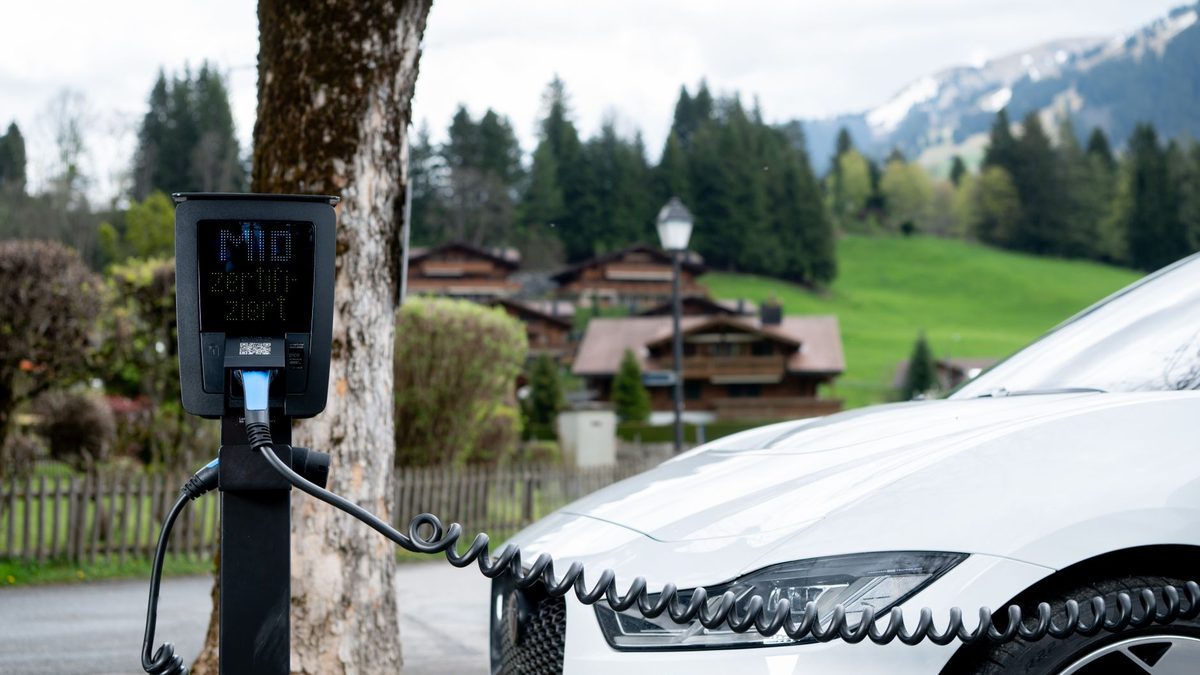
Plenty of Thornhill homes park on the driveway rather than in a garage, and that is a perfectly good place to charge an EV. Thornhill EV Charger Pros installs outdoor driveway chargers across the area, built to handle GTA winters. The job is different from a garage install in a few important ways, and getting those right is what keeps the charger reliable for years. Here is what a driveway install involves.
Outdoor-rated equipment is non-negotiable
A driveway charger lives outdoors through every season, so the unit and every connection must be rated for it. We use outdoor-rated chargers, weatherproof enclosures, and proper sealing so snow, rain, and freeze-thaw cycles cause no trouble. A Tesla Wall Connector or a universal Level 2 unit rated for outdoor use both suit a driveway well. Indoor-only gear simply does not belong outside, and using it is a shortcut that fails.
Hard-wired versus a plug-in outlet
Driveway setups go one of two ways. A hard-wired charger is mounted permanently and is the tidiest, sturdiest choice for a fixed outdoor spot. A plug-in setup runs the charger off a weatherproof 240-volt outlet such as a NEMA 14-50, which lets you unplug the unit and store it, useful if you would rather not leave a charger exposed full time. Both deliver the same Level 2 speed, so it comes down to whether you want it fixed or removable.
Cable routing to the driveway
Carrying the circuit out from the panel to where the car sits on the driveway tends to follow one of a few routes:
- Along an exterior wall in conduit to a side or front driveway
- Underground in a short trench where the parking spot sits away from the house
- Through the garage wall and out, where the panel is in or near the garage
We route the feed to keep it protected and tidy, conduit on every exposed run, and bring it up cleanly at the charger.
Panel distance and voltage drop
A driveway often means a longer run from a basement panel than a garage install would. Over distance, a circuit sees a small voltage drop, so we size the wire correctly for the length, sometimes a heavier gauge than a short run needs. That sizing is part of why a longer driveway feed costs a little more, and it is not something to trim to save money.
Panel capacity still applies
Distance does not change your panel's capacity. Many Thornhill homes, especially older ones, are on a 100-amp service. A load calculation checks the headroom, and where it is tight, a smart charger with load management or a panel upgrade keeps the driveway install safe. Our older-home guide covers that side in more depth.
Winter use on a Thornhill driveway
An outdoor charger asks for very little, but a little attention keeps it trouble-free through winter. Keep the unit and its connector clear of built-up snow and ice, give the cable a quick seasonal check for wear, and make sure the mounting and enclosure seals stay intact. Quality outdoor-rated gear shrugs off the weather, so this is light-touch care rather than a chore. Preconditioning the car while it is plugged in also means you leave with a warm, full battery on the coldest mornings.
Permits and ESA on an outdoor job
A driveway install is permitted and inspected like any other. EV charger installation should be completed by an ESA-licensed electrical contractor, with the wire sizing, the outdoor terminations, and any trench all done to code and inspected. Done right the first time, a driveway charger simply works year after year.
If the job needs a trench
When the parking spot sits away from the house, the cleanest feed often runs underground in a short trench. Digging means knowing what is already buried. Before any excavation, utility lines should be located through Ontario One Call, the free service that marks gas, hydro, and other services so the trench avoids them. This is a safety and legal step, not an optional one, and a licensed contractor builds it into the schedule alongside the electrical permit and ESA inspection. We bury the feed at the proper depth in conduit and bring it up cleanly at the charger, so the finished driveway looks undisturbed.
What to send before requesting a quote
- A photo of where you park on the driveway and where the charger would mount
- A photo of your panel with the door open
- A rough idea of the distance from the panel to the parking spot
- Whether you want a hard-wired unit or a removable plug-in setup
Charging off the driveway and want it built to last? Send your photos to the Thornhill EV Charger Pros team through the quote form, and we will lay out the routing, size the feed for the distance, and hand you one fixed price with the permit and inspection already in it.
Frequently asked
Can I install an EV charger on my Thornhill driveway?+
Yes. Driveway charging is common in Thornhill, using an outdoor-rated charger fed from your panel. The main considerations are weather protection, the cable routing from the panel, and the distance, all of which a proper outdoor design handles.
Should a driveway charger be hard-wired or plug-in?+
Both deliver the same Level 2 speed. Hard-wired is the tidiest, sturdiest choice for a permanent outdoor spot. A plug-in setup on a weatherproof 240-volt outlet lets you unplug and store the unit if you would rather not leave it exposed full time.
Will an outdoor driveway charger survive Thornhill winters?+
It will, provided the gear is specified for outdoors from the start. A proper outdoor-rated unit with weatherproof terminations is engineered for snow load, driving rain, and the freeze-thaw swings of a GTA winter. We seal each connection at install, and after that a quick seasonal look to clear ice and check the cable is all the upkeep it asks for.
Does a longer driveway run cost more?+
A bit, yes. Distance means more cable, and often a step up in wire gauge to hold voltage across the run, on top of any trenching to reach the pad. A charger out at the far edge of the driveway therefore prices higher than one a metre from a garage panel. That heavier gauge is a code and reliability matter, never something to shave for a cheaper quote.
Do I need a panel upgrade for a driveway charger?+
Distance has no bearing on capacity, so the answer comes down to your panel, not the length of the run. Plenty of Thornhill driveways feed off older 100-amp services, and the load calculation tells us whether there is room. Only when the figures come up tight do we look at load management or an upgrade.